
Alton Previous Resident Sources
An Alton address can outlast the names attached to it. The strongest trail begins with land records, then adds sources that identify households rather than owners. Madison County land books reach farther back than the directories, while census, vital, court, and newspaper collections fill different spans. Coverage is uneven, so a blank result is a gap to investigate, not proof that nobody lived there.
| Source | Local Years Covered | Keeper | Evidence Found |
|---|---|---|---|
| Land books and instruments | Beginning in 1812; web cutoff unstated | Madison County Recorder | Owners, transfers, liens, plats, and legal descriptions |
| Alton city directories | Oldest 1858; incomplete thereafter | Hayner Public Library | Dated name and address entries |
| Federal census indexes | Madison County, 1820 to 1930 | Hayner Public Library | Household and relationship clues by census year |
| Sanborn maps | 1892 and 1926 | Library of Congress and UIUC | Structures, lots, street labels, and occupancy type |
| Probate records | Index 1813 to 1903; archive 1800 to 1976 | Illinois State Archives and Circuit Clerk | Estates, heirs, guardianship, and property transfers |
| City permits and code files | Public archive span not verified | Alton Code Enforcement | Possible construction, inspection, or address-number evidence |
For a recent house, begin with the parcel and deed. For a nineteenth-century Alton property, the legal description may be the more stable key. A directory entry is especially useful for previous residents who did not own the building. Census schedules provide a dated household snapshot, while maps answer whether the structure or street number existed at that time.
Alton Address Records Start With PIN
Enter the site address in the Madison County DEVNET property search. Save the parcel identification number, or PIN, the site address, owner label, mailing address, and any parcel split shown. The mailing address is where the tax bill goes. It may differ from the physical, or situs, address and does not prove who occupies the Alton property.
Then open the county GIS parcel layer. Its record can expose the dashed PIN, undashed county PIN, address parts, owner and mailing fields, ZIP, square feet, and acreage. Parcel lines matter when one historic lot became several current lots. They also help distinguish a building parcel from an alley, facility parcel, or adjoining tract. Preserve both the current street wording and the legal parcel key before going backward.
Note: A trust, estate, company, or multiple owners may appear where a former household name was expected.
Walk Madison County Deeds Backward
The Madison County Recorder land-record page routes public users to Tapestry and subscription users to Laredo. The Recorder keeps deeds, mortgages, releases, liens, easements, plats, trusts, and many other recorded instruments. Its office does not perform title searches. Build the sequence from the current parcel, and do not assume a mortgage or release transferred ownership.
- Use the current PIN and legal description to identify the latest ownership instrument.
- Record its grantor, grantee, instrument type, date, book and page or document number, and any prior reference.
- Search the seller, the grantor, as a grantee to find when that party acquired the parcel.
- Repeat with name variants, spouses, trusts, estates, and the legal description when a personal-name search fails.
- When the web index stops, ask Recorder staff how to reach the older book or obtain a copy by reference number.
- Grantor
- The party transferring an interest in land.
- Grantee
- The party receiving that recorded interest.
- Chain of title
- The linked series of transfers for the same parcel.
- Legal description
- The lot, block, subdivision, or tract wording that can survive a street-name change.
The official Recorder page says Madison County land records begin in 1812, but it does not publish the online index cutoff. That distinction is crucial. An empty Tapestry result does not close the chain. A copy request needs the recording or reference number, and the stated turnaround is five to seven business days. The office lists copies at $1 per page by mail or $2 per page by email.
The Recorder office overview shows the public land-record context captured below.
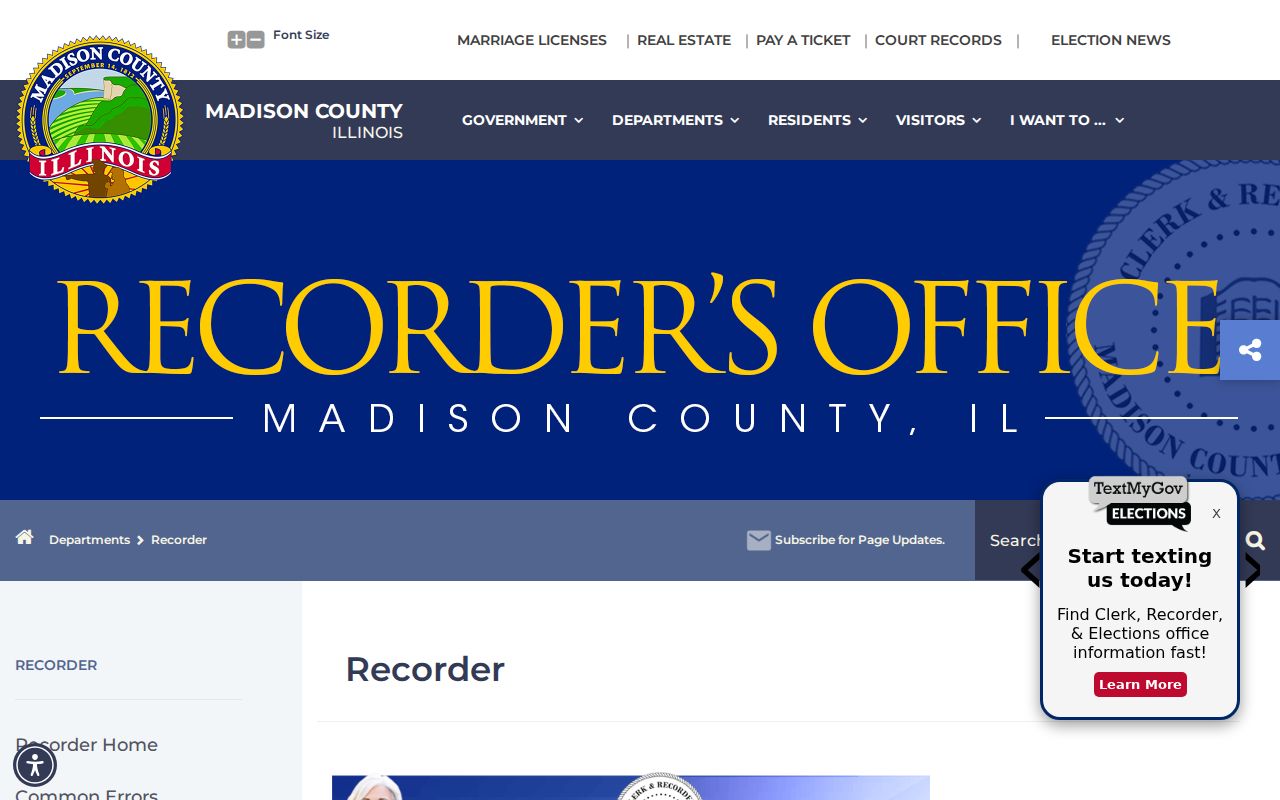
This official page confirms the county custodian behind the deed chain, while the parcel and instrument references keep each Alton transfer tied to the right land.
Maps Place Alton Previous Residents
A house can be older than its current number. No verified citywide Alton renumbering year was found, so it would be wrong to assign one. Older sources may say Alton, Upper Alton, a directional variant, a ward, or a former street label. The municipal code's street-name appendix, plats, ward descriptions, and the county GIS help connect that wording to a modern parcel.
The 1892 Alton Sanborn set has 14 sheets. The 1926 Alton insurance maps contain 82 leaves plus three unnumbered leaves. These maps can show lot and block context, building footprints, materials, streets, alleys, and uses. They do not name every past resident. Compare the printed street and lot with the deed's legal description rather than relying on visual position alone.
Hayner Keeps Alton House Records
The Hayner Genealogy and Local History Library holds an Alton Property Research File, plat maps, atlases, directories, local histories, newspapers, cemetery inventories, and census indexes. This is a rare local handoff when the parcel record leads to a street variant or the online deed trail runs thin. The public description does not promise a completed property packet, exact coverage, or a fee, so ask staff what exists for the street and parcel.
Hayner is at 401 State Street in Alton. Researchers can call 618-462-0677 or write genealogy@haynerlibrary.org. Bring the modern address, PIN, subdivision or lot description, known owner names, and the date range. Staff can point to the right directory year or map volume without implying that one shelf lists every person.
Match Alton Previous Residents by Year
Ownership is only half of an Alton house history. Hayner's city directory run begins in 1858 and is incomplete from the late nineteenth century to the present. The public source does not confirm a reverse section in every volume. Inspect the front matter before treating an address search as available. The full collection detail belongs on the Alton city directory page.
- Choose directory years just before and after a dated deed.
- Copy each name, initial, spouse notation, occupation, address, and printed status exactly.
- Pair the entry with a nearby federal census year in Hayner's Madison County indexes.
- Compare household members, ages, relationships, and place labels where the schedule supplies them.
- Verify the match with a newspaper, vital index, probate file, cemetery record, or another independent source.
A person missing in one directory may have moved, fallen in a missing year, appeared under a spouse or business, or lived outside that volume's geographic scope. Keep Upper Alton, Wood River, and East Alton separate until the record itself connects them.
Alton Previous Resident Estate Trails
Probate and death sources often explain the end of an ownership chain. The Madison County probate index at the Illinois State Archives covers 1813 through 1903, while the Circuit Clerk's digitized probate books span 1800 through 1976. An estate, heir, guardian, or court-directed deed may account for a transfer that does not look like an ordinary sale.
Hayner adds newspapers, obituaries, Marks Funeral Home Records, and cemetery inventories. Search title variants such as the Alton Observer, Alton Telegraph, Evening Telegraph, and Weekly Telegraph within their actual runs. A notice may connect relatives, a death date, a former address, and a cemetery, but it still needs a second match before being assigned to a specific household.
The Recorder's cemetery instrument table offers an unusual Alton story. It lists institutional filings from 1871 through 1925, including Alton Cemetery Association and Upper Alton Cemetery Association book and page references.
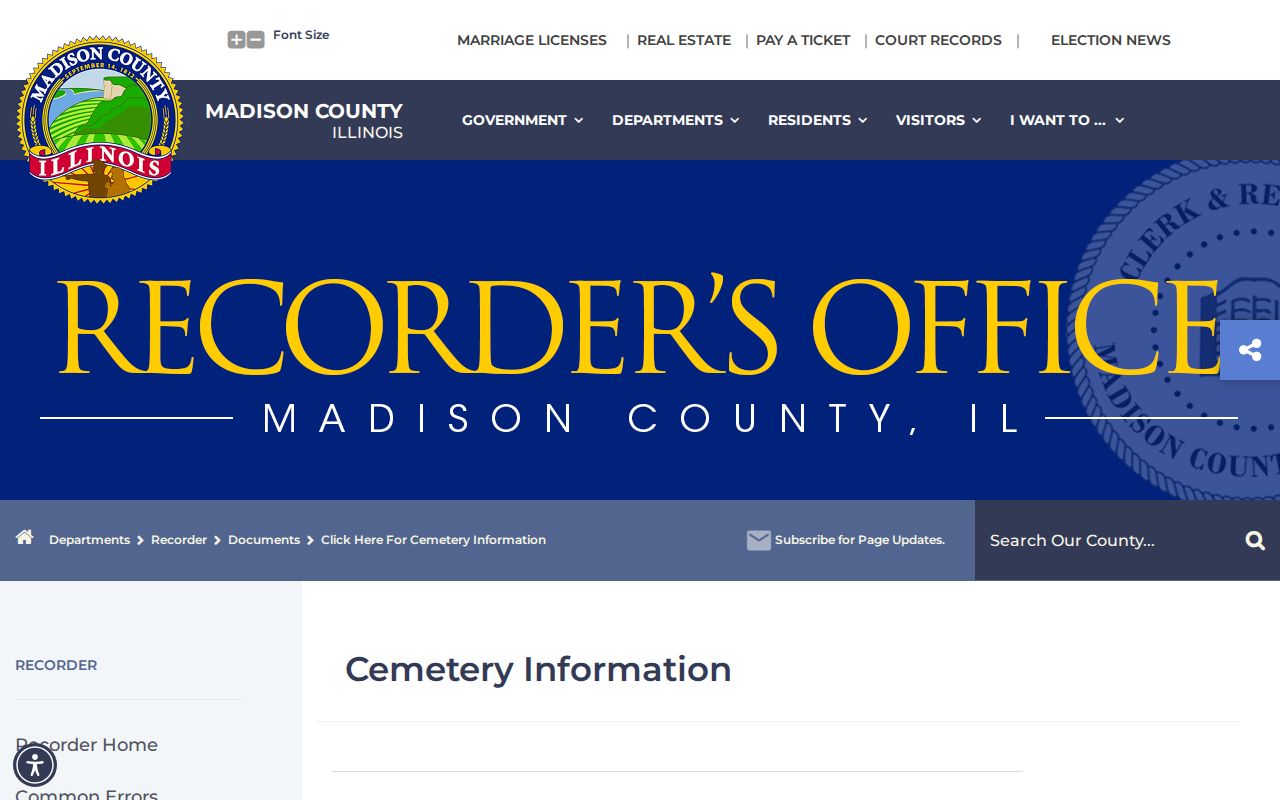
The image shows organization and land-record leads, not an interment roster. Use its book and page references to request the actual instrument.
Vital Records Confirm Past Alton Residents
Death and marriage records can link names found at the same address. Madison County genealogy sources report marriages from 1813 and deaths from 1878. Access depends on the record's age, the requester's relationship or interest, identification, and the copy type. An index lead is not the same as a certified certificate.
The City of Alton death-certificate form documents the local request route for qualifying records.
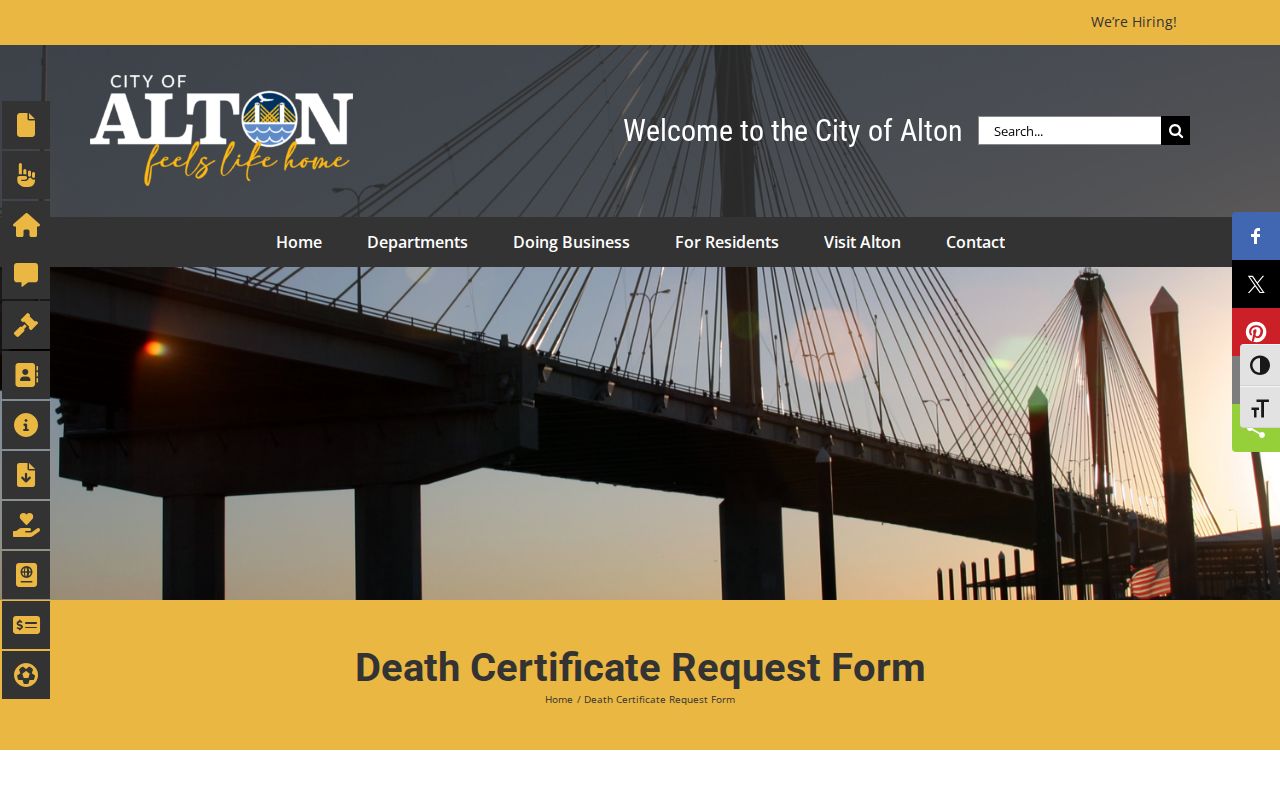
The form helps identify the event and applicant details needed before submission. It does not turn death records into an open resident index.
The Madison County death-certificate page explains the county route.
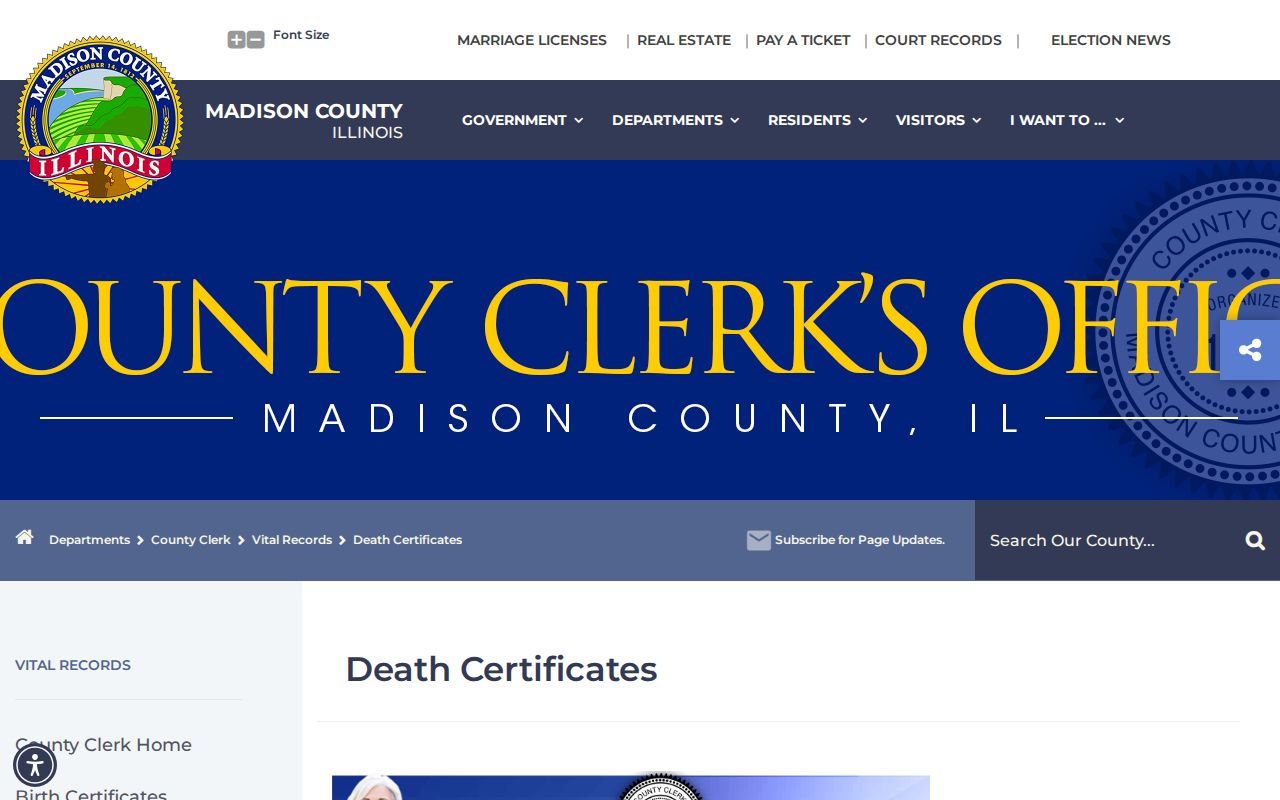
County guidance distinguishes eligible personal, property, and genealogy requests, which is essential when confirming an older Alton household.
The Madison County marriage-record page supplies the related marriage route.
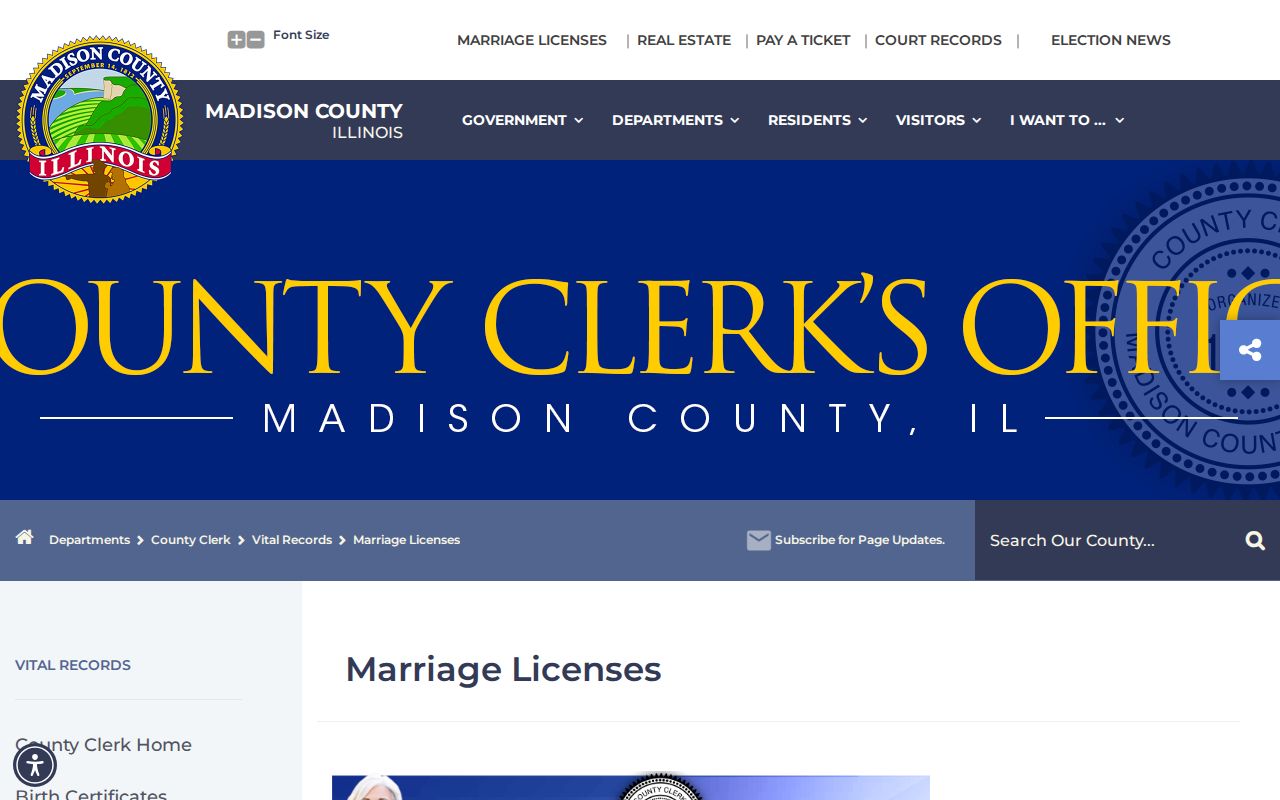
A marriage record can support a spouse or surname link, but it does not prove that both people occupied the researched address.
The county's genealogy research page is the best first check for historical-copy coverage.
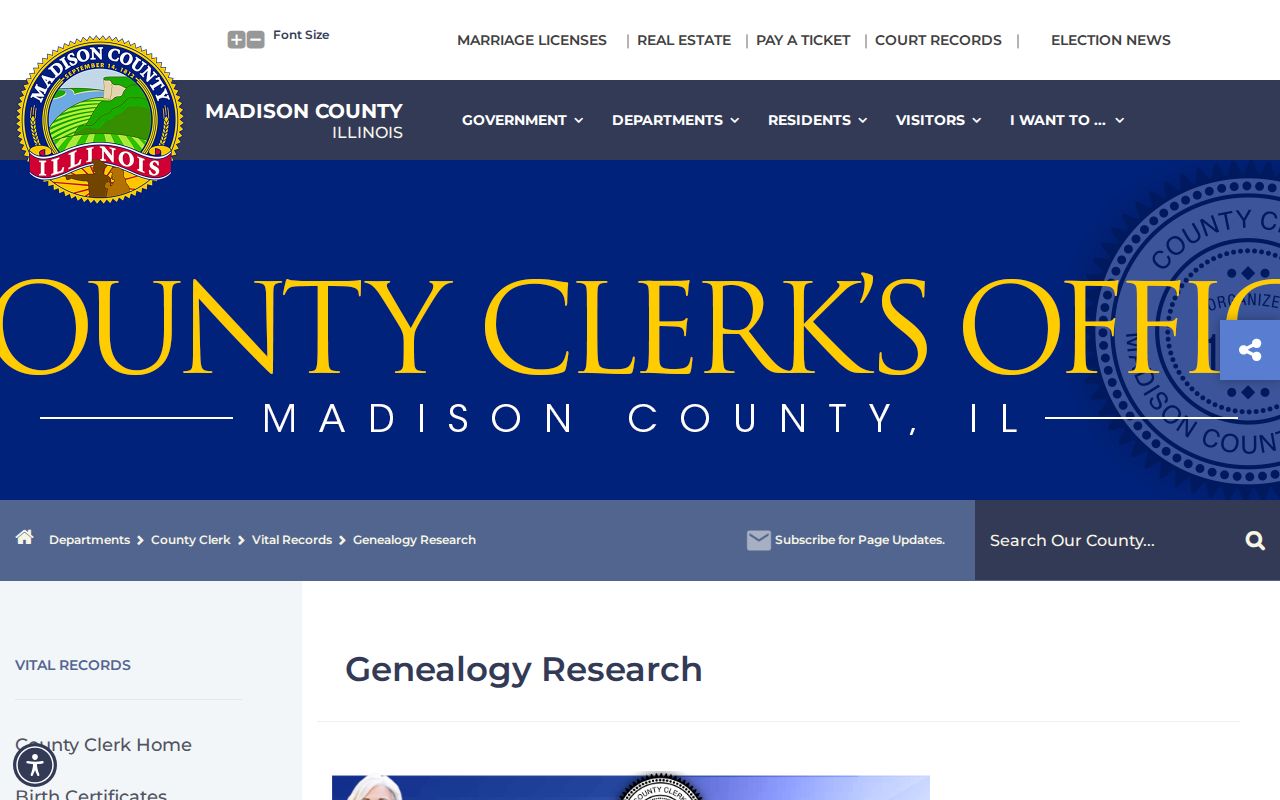
Its stated thresholds and local year spans help a researcher choose between a county copy, a library index, and a state archive.
Use Alton Previous Resident Records Carefully
A deed proves a recorded interest, not daily occupancy. A directory supplies dated commercial evidence, not a complete census. A census is tied to one enumeration date. Maps describe the built setting. Each source answers a different question, and two independent matches are safer than one familiar name.
Illinois law also protects some personal information. Do not seek motor-vehicle data, protected voter addresses, utility accounts, or private delivery records. The state's Address Confidentiality Program can substitute an address in qualifying new public records, though it cannot erase every older deed or publication.
Lawful use. Research previous residents for family history, estate work, and curiosity about an Alton house. Never use records to track, intimidate, or harass a living person.
Note: Record the source URL, access date, search terms, and locator so another researcher can repeat the work.